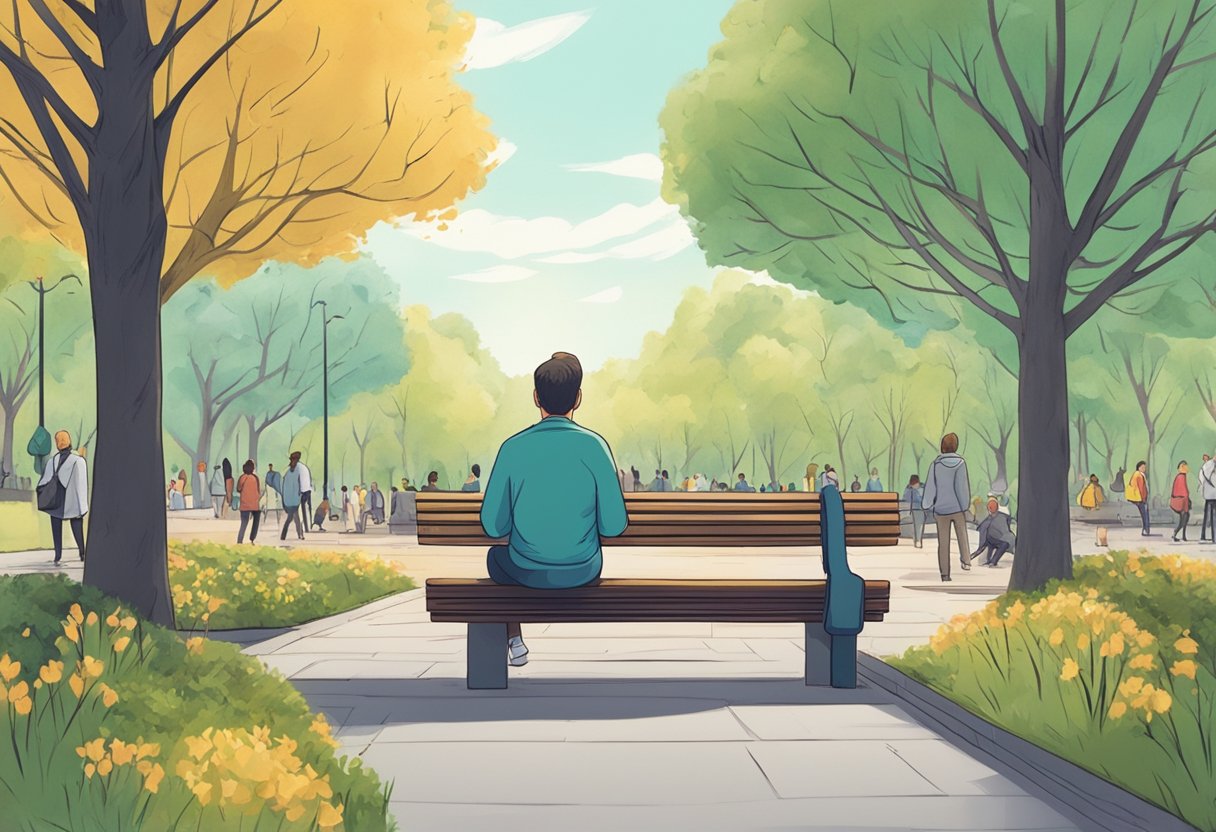
Managing panic attacks in public spaces: Effective strategies for regaining control
Last updated:
Panic attacks in public can be scary and overwhelming. Many people worry about having an attack while out shopping, using public transport, or in crowded places. These fears can lead to avoiding certain situations, which may impact daily life.
Learning to manage panic attacks in public spaces can help you feel more in control and less anxious about going out.
There are several techniques you can use to cope with symptoms when they arise. Deep breathing exercises can help slow your heart rate and calm your body’s stress response.
Practising mindfulness and grounding techniques can also be helpful.
It’s important to remember that panic attacks are temporary and will pass. Preparing a plan for how to handle symptoms in public can boost your confidence.
This might include carrying water, medication if prescribed, or comfort items. With the right tools and strategies, you can learn to navigate public spaces more comfortably. Key Takeaways
Panic attacks in public are common but can be managed with coping techniques Deep breathing and mindfulness exercises help reduce anxiety symptoms Having a plan for handling panic attacks can increase confidence in public spaces
Understanding Panic Attacks
Panic attacks are intense episodes of fear that can strike suddenly and without warning. They involve a range of physical and emotional symptoms that can be quite distressing for the person experiencing them. Identifying Panic Attack Symptoms Panic attacks often involve a surge of intense fear and physical discomfort. Common symptoms include:
• Racing heart or palpitations • Chest pain or tightness • Shortness of breath • Sweating • Trembling or shaking • Nausea or stomach upset • Dizziness or lightheadedness • Feeling of unreality or detachment
These symptoms typically peak within 10 minutes and rarely last longer than 30 minutes. Many people worry they are having a heart attack or losing control during a panic attack. Anxiety and Panic Disorder Panic attacks can occur as part of an anxiety disorder like panic disorder. People with panic disorder have recurrent, unexpected panic attacks and often develop a fear of having more attacks.
This fear can lead to avoidance of situations or places where attacks have occurred before. Some may develop agoraphobia, becoming afraid to leave their homes or other “safe” places.
Panic disorder affects about 2-3% of adults in any given year. It often begins in the late teens or early adulthood and is more common in women than men. Physiological Response to Fear Panic attacks trigger the body’s fight-or-flight response. This evolutionary mechanism prepares the body to face danger or escape from it.
During a panic attack, the body releases stress hormones like adrenaline. This leads to physical changes such as:
• Increased heart rate and breathing • Blood flow diverted to major muscle groups • Heightened senses • Slowed digestion
While these changes are helpful in true danger, they can be distressing when there is no real threat. Understanding this process can help people cope with panic symptoms more effectively. Preventing Panic Attacks
Preventing panic attacks involves recognising triggers, developing coping strategies, and making lifestyle changes. These approaches can help reduce the frequency and intensity of panic attacks in public spaces. Recognising Triggers and Avoidance Behaviours Identifying triggers is crucial for preventing panic attacks. Common triggers include crowded places, public transport, or specific situations that cause anxiety. It’s important to note these triggers without letting them control one’s life.
Avoidance behaviours often develop as a protective mechanism. While they may provide temporary relief, they can reinforce anxiety in the long term.
Instead of avoiding triggers entirely, gradual exposure can help build confidence.
Keeping a journal to track triggers and reactions can be useful. This helps identify patterns and provides insights for developing effective coping strategies. Developing Resilience and Coping Strategies Building resilience is key to managing panic attacks. This involves developing a toolkit of coping strategies to use when faced with anxiety-provoking situations.
Coping strategies include:
Deep breathing exercises Progressive muscle relaxation Grounding techniques Positive self-talk
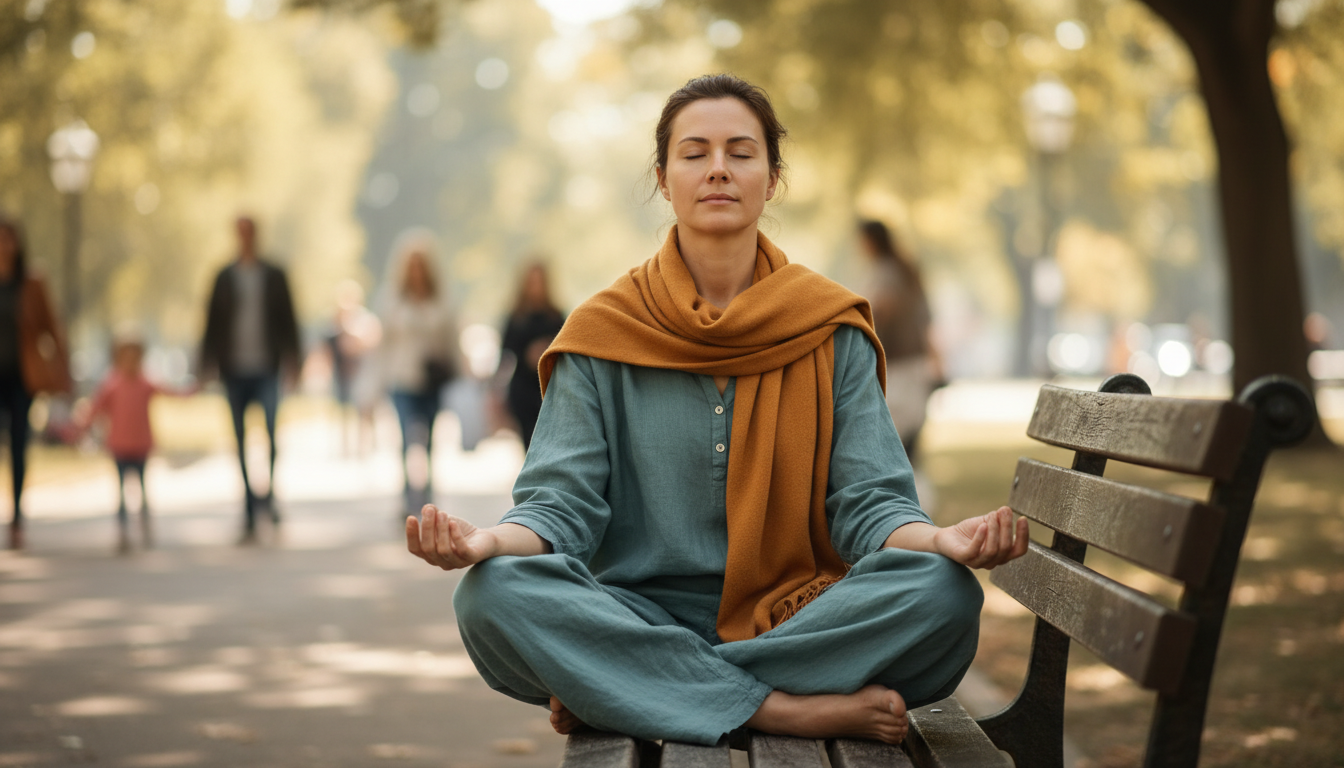
Mindfulness practices can also be effective. These help individuals stay present and reduce worry about future events.
Cognitive-behavioural therapy (CBT) can be beneficial. It helps challenge and reframe negative thought patterns that contribute to panic attacks. Lifestyle Modifications and Self-Care Making positive lifestyle changes can significantly reduce the likelihood of panic attacks. Regular exercise is particularly effective, as it helps manage stress and anxiety.
Self-care practices to consider:
Maintaining a consistent sleep schedule Eating a balanced diet Limiting caffeine and alcohol intake Practising relaxation techniques daily
Mindfulness and meditation can be integrated into daily routines. Even short sessions can help calm the mind and reduce overall anxiety levels.
Building a support network is crucial. This can include friends, family, or support groups who understand the challenges of panic attacks. Managing Panic Attacks in Public
Panic attacks in public can be scary, but there are effective ways to cope. Grounding techniques, breathing exercises, support systems, and exit strategies can help manage symptoms and reduce anxiety. Grounding Techniques and Breathing Exercises Grounding techniques help people stay present during a panic attack. The 5-4-3-2-1 method involves identifying 5 things you can see, 4 you can touch, 3 you can hear, 2 you can smell, and 1 you can taste.
Deep breathing exercises can calm the body’s stress response. Try the 4-7-8 technique: breathe in for 4 seconds, hold for 7, and exhale for 8. This slows the heart rate and eases tension.
Progressive muscle relaxation is another helpful tool. Tense and relax each muscle group in turn, starting from the toes and working up to the head. Creating a Support System Having a strong support system is crucial for managing panic attacks in public. Tell trusted friends or family about your panic attacks and how they can help.
Consider joining a support group for people with anxiety disorders. Sharing experiences and coping strategies can be very helpful.
Some people find it comforting to have a ‘panic buddy’ – someone they can call or text when feeling anxious in public. This person can offer reassurance and support. Safe Exit Strategies Planning safe exit strategies can reduce anxiety about being in public spaces. Identify possible escape routes when entering a new place.
Sit near exits in cinemas, restaurants, or public transport. This can provide a sense of control and ease worries about being ‘trapped’.
Prepare a comfort kit for public outings. Include items like water, a stress ball, or calming essential oils. These can provide quick relief during a panic attack.
Remember, it’s okay to leave a situation if panic becomes overwhelming. Taking a short break outside can help reset and reduce symptoms. Therapeutic Approaches
Several effective therapeutic approaches can help manage panic attacks in public spaces. These methods focus on changing thought patterns, developing coping skills, and seeking professional guidance. Cognitive Behavioural Therapy (CBT) CBT is a highly effective treatment for panic attacks. It helps people identify and challenge negative thoughts that contribute to anxiety. Through CBT, individuals learn to:
• Recognise triggers for panic attacks • Reframe unhelpful thinking patterns • Develop coping strategies for public situations
A key aspect of CBT is exposure therapy. This involves gradually facing feared situations in a controlled way.
For example, someone might start by imagining being in a crowded shop, then progress to short visits.
CBT also teaches relaxation techniques like deep breathing and progressive muscle relaxation. These skills can be used to manage anxiety symptoms in public. Mindfulness and Anxiety Management Mindfulness practices can significantly reduce panic attacks. They help people stay grounded in the present moment rather than worrying about potential future events.
Key mindfulness techniques include:
• Focused breathing exercises • Body scan meditations • Observing thoughts without judgement
Regular mindfulness practice can decrease the frequency and intensity of panic attacks over time. It also provides tools to use during an attack, such as the 5-4-3-2-1 grounding technique.

Anxiety management strategies complement mindfulness. These might include keeping a anxiety diary, setting realistic goals, and practising self-care. Professional Help and Resources Seeking professional help is crucial for managing panic attacks effectively. Mental health professionals can provide:
• Personalised treatment plans • Medication options, if appropriate • Ongoing support and guidance
Cognitive-behavioural therapy with a trained therapist is often recommended. They can tailor strategies to an individual’s specific needs and circumstances.
Support groups can also be valuable. They offer a safe space to share experiences and learn from others facing similar challenges.
Many helpful resources are available online and through mental health organisations. These include self-help books, anxiety management apps, and educational materials about panic attacks. Coping with Social Anxiety
Social anxiety can make public spaces feel overwhelming. Learning effective coping strategies helps manage anxiety symptoms and build confidence in social situations. Avoidance vs Confrontation Many people with social anxiety use avoidance behaviours as a coping mechanism. This might include skipping social events or leaving early. While avoidance provides short-term relief, it reinforces anxiety in the long run.
Confronting feared situations gradually is more effective. This approach, called exposure therapy, involves facing anxiety-provoking scenarios in a controlled manner.
Start small. For example, make eye contact with a cashier or ask a stranger for directions. Gradually increase the difficulty of tasks as confidence grows.
Remember, progress may be slow. Celebrate small victories and be patient with setbacks. Each step forward builds resilience and reduces anxiety over time. Utilising Visualisation Techniques Visualisation is a powerful tool for managing social anxiety. It involves creating positive mental images to reduce stress and boost confidence.
Before entering a social situation, take a few minutes to visualise success. Picture yourself feeling calm and confident. Imagine positive interactions with others.
Try this simple technique:
Find a quiet spot and close your eyes Take slow, deep breaths Imagine the upcoming social scenario in detail Picture yourself handling the situation with ease Focus on positive outcomes and feelings
Regular practice strengthens these mental pathways, making it easier to stay calm in real situations. Building Confidence in Public Spaces Building confidence is key to overcoming social anxiety. Start by challenging negative thoughts. Replace self-critical ideas with more balanced, realistic ones.
Set small, achievable goals for social interactions. Each success builds confidence and reduces anxiety. For example, aim to have a brief chat with a colleague or compliment a stranger.
Practice self-care to boost overall well-being. Regular exercise, healthy eating, and good sleep habits all contribute to reduced anxiety and increased confidence.
Consider joining a support group or social skills class. These provide safe spaces to practice social interactions and learn from others with similar experiences. Frequently Asked Questions
Panic attacks in public can be managed with specific strategies and techniques. Understanding symptoms and implementing preventive measures are key to handling anxiety in various environments. What strategies can assist in halting an anxiety attack when out in public? Deep breathing exercises can help calm the body during a panic attack. The 4-7-8 technique involves breathing in for four seconds, holding for seven, and exhaling for eight. This method slows the heart rate and reduces anxiety.
Grounding techniques can redirect focus from panic symptoms. Counting objects in the surroundings or describing textures of nearby items can help regain control. In what ways can one divert attention from a panic attack while it’s occurring? Engaging the senses can be an effective distraction. Listening to calming music, smelling a favourite scent, or holding a comforting object can shift focus away from panic symptoms.
Mindfulness exercises, such as focusing on the present moment and acknowledging thoughts without judgment, can help manage anxiety. What methods are effective for preventing recurrent panic attacks? Regular exercise and a balanced diet contribute to overall mental health. These lifestyle choices can reduce the frequency and intensity of panic attacks.
Identifying triggers and underlying causes of panic attacks is crucial. Keeping a diary to track patterns and circumstances can provide valuable insights. Can panic attacks be completely eradicated, and if so, how? While complete eradication may not be possible for everyone, many people can significantly reduce or eliminate panic attacks with proper treatment.
Cognitive-behavioural therapy (CBT) is highly effective in treating panic disorders. It helps change thought patterns and behaviours associated with anxiety. What approaches are recommended for managing anxiety whilst in public environments? Positive visualisation can be helpful. Imagining successful management of anxiety in public spaces can boost confidence and preparedness.
Carrying a ‘comfort kit’ with items like stress balls, essential oils, or favourite snacks can provide a sense of security in public. What are the distinguishing symptoms of anxiety when faced with public spaces? Physical symptoms may include rapid heartbeat, sweating, and dizziness. These can be accompanied by feelings of unreality or detachment from surroundings.
Cognitive symptoms often involve fears of losing control or embarrassing oneself in public. These thoughts can intensify anxiety and lead to avoidance behaviours.
Are you having a panic attack right now? Open the Panic SOS appFrequently Asked Questions
What are the main signs of managing panic attacks in public spaces disorder?
For Managing panic attacks in public spaces, this question is best answered with personalised guidance. If you are concerned, speak to your GP or contact NHS 111. The article above outlines the most relevant evidence-based approaches.
How is managing panic attacks in public spaces disorder diagnosed in the UK?
For Managing panic attacks in public spaces, this question is best answered with personalised guidance. If you are concerned, speak to your GP or contact NHS 111. The article above outlines the most relevant evidence-based approaches.
What treatments are recommended by NICE?
For Managing panic attacks in public spaces, this question is best answered with personalised guidance. If you are concerned, speak to your GP or contact NHS 111. The article above outlines the most relevant evidence-based approaches.
Related Articles

Coping strategies for agoraphobia: Practical tips for everyday challenges
Practical coping strategies for living with agoraphobia: gradual exposure, grounding and routines to face everyday places and situations with less fear.
Managing Panic Attack While Pregnant: Essential StrategiesEssential Strategies for Managing Panic Attacks During Pregnancy
Essential, safe tips for coping with panic attacks during pregnancy — calming techniques, triggers to watch for, and when to speak to your midwife or GP.
NHS talking therapies for generalised anxiety disorder: Effective approaches to manage worry and stress
How NHS talking therapies treat generalised anxiety disorder — evidence-based techniques to manage worry, reduce stress and improve your wellbeing.