
Emetophobia: Complete Guide to Understanding and Overcoming the Fear of Vomiting
Last updated:
Understanding Emetophobia
Your Complete Guide to Overcoming the Fear of Vomiting
Emetophobia, the intense and irrational fear of vomiting, affects millions of people worldwide yet remains one of the least understood specific phobias. This comprehensive guide will help you understand what emetophobia is, recognize its symptoms, and explore evidence-based treatment options that can help you reclaim your life.
What is Emetophobia?
Emetophobia is a specific phobia characterized by an extreme, persistent, and irrational fear of vomiting or seeing others vomit. Unlike a normal aversion to vomiting that most people experience, emetophobia significantly impacts daily functioning and quality of life. The condition affects approximately 0.1% to 8.8% of the population, with women being more commonly affected than men.
Key Facts About Emetophobia:
- Also known as Specific Phobia of Vomiting (SPOV)
- Can develop at any age, often beginning in childhood
- More prevalent in females than males
- Often co-occurs with other anxiety disorders
- Can significantly impact eating habits and social activities
Recognizing the Symptoms of Emetophobia
Emetophobia symptoms can be divided into several categories, affecting both physical and psychological well-being. Understanding these symptoms is crucial for proper diagnosis and treatment.
Physical Symptoms
- Nausea and gastrointestinal distress when exposed to triggers
- Rapid heartbeat and palpitations
- Sweating and trembling
- Dizziness or feeling faint
- Shortness of breath or hyperventilation
- Muscle tension and restlessness
Emotional and Psychological Symptoms
- Intense fear or panic when thinking about vomiting
- Anticipatory anxiety about situations that might involve vomiting
- Feeling of losing control or going crazy
- Persistent worry about becoming ill
- Fear of embarrassment or social rejection
⚠️ The Vicious Cycle
Emetophobia often creates a self-perpetuating cycle where fear of vomiting causes anxiety, which in turn can cause nausea, leading to increased fear and more anxiety. Breaking this cycle is key to recovery.
Understanding the Causes of Emetophobia
While the exact causes of emetophobia aren’t fully understood, research suggests it develops through a combination of factors:
Biological Factors
- Genetic predisposition to anxiety disorders
- Brain chemistry imbalances affecting fear response
- Heightened sensitivity to gastrointestinal sensations
Psychological Factors
- Traumatic experiences involving vomiting (personal or witnessed)
- Learned behaviors from family members with similar fears
- Perfectionist tendencies and need for control
- Catastrophic thinking patterns about bodily sensations
Environmental Triggers
- Food poisoning or illness experiences
- Medical procedures that caused nausea
- Witnessing others vomit during childhood
- Stressful life events that coincided with vomiting episodes (similar to how stress can trigger other anxiety disorders)

How Emetophobia Impacts Daily Life
The effects of emetophobia extend far beyond the fear itself, often severely limiting a person’s ability to engage in normal activities:
Social and Occupational Impact
- Avoiding social gatherings where food is served
- Missing work or school during flu seasons
- Difficulty maintaining relationships due to avoidance behaviors
- Career limitations avoiding jobs that might involve illness exposure
Eating and Food-Related Behaviors
- Restrictive eating patterns to avoid foods that might cause illness
- Excessive food safety measures (over-washing, checking expiration dates)
- Avoiding restaurants or unfamiliar foods
- Potential nutritional deficiencies from limited diet
Healthcare Avoidance
- Refusing medical treatments that might cause nausea
- Avoiding necessary medications
- Delaying important medical care
Evidence-Based Treatment Options for Emetophobia
The good news is that emetophobia is highly treatable. Several evidence-based approaches have shown significant success in helping people overcome this debilitating fear.
Cognitive Behavioral Therapy (CBT)
Cognitive Behavioral Therapy is considered the gold standard treatment for emetophobia. CBT focuses on identifying and changing the thought patterns and behaviors that maintain the phobia.
Key CBT Components:
- Psychoeducation about emetophobia and anxiety
- Cognitive restructuring to challenge catastrophic thoughts
- Behavioral experiments to test feared predictions
- Relaxation techniques for managing anxiety
Exposure and Response Prevention (ERP)
Exposure therapy involves gradual, controlled exposure to feared situations while preventing avoidance behaviors. This approach is particularly effective for emetophobia.
Gradual Exposure Hierarchy Example:
- Looking at the word “vomit” written down
- Watching movies with vomiting scenes
- Visiting places where vomiting might occur (hospitals, bars)
- Eating foods previously avoided due to fear
- Exposure to nausea-inducing sensations (spinning, certain smells)
Note: Exposure therapy should always be conducted under professional guidance.
Medication Options
While therapy is the primary treatment, medications can be helpful in managing severe symptoms:
- SSRIs (Selective Serotonin Reuptake Inhibitors) – Such as fluoxetine or sertraline
- Benzodiazepines – For short-term anxiety relief (used cautiously)
- Anti-nausea medications – To help manage physical symptoms during treatment
⚠️ Important Note
Medication should always be prescribed and monitored by a qualified healthcare professional. Never attempt to self-medicate for emetophobia.
Alternative and Complementary Approaches
- Mindfulness and meditation for anxiety management
- Hypnotherapy to address unconscious fears
- EMDR (Eye Movement Desensitization and Reprocessing) for trauma-related emetophobia
- Support groups for shared experiences and encouragement

Self-Help Strategies and Coping Techniques
While professional treatment is often necessary, there are several self-help strategies that can complement therapy:
Immediate Coping Strategies
- Deep breathing exercises (4-7-8 technique)
- Progressive muscle relaxation
- Grounding techniques (5-4-3-2-1 sensory method)
- Positive self-talk and affirmations
Long-term Management
- Regular exercise to reduce overall anxiety
- Healthy sleep habits
- Stress management techniques
- Journaling to track triggers and progress
Lifestyle Modifications
- Gradual dietary expansion with safe foods
- Building a support network of understanding friends and family
- Learning about digestive health to reduce unfounded fears
- Creating emergency coping plans for unexpected anxiety
When to Seek Professional Help
It’s important to seek professional help if emetophobia is:
- Significantly impacting your daily life, work, or relationships
- Causing nutritional problems due to restrictive eating
- Leading to avoidance of necessary medical care
- Resulting in depression or other mental health issues
- Not improving with self-help strategies
Finding the Right Professional
Look for mental health professionals who specialize in:
- Anxiety disorders and phobias
- Cognitive Behavioral Therapy (CBT)
- Exposure and Response Prevention (ERP)
- Experience with emetophobia specifically
Success Stories and Hope for Recovery
Recovery from emetophobia is not only possible but highly likely with proper treatment. Many people who have struggled with this condition for years have gone on to live full, unrestricted lives.
What Recovery Looks Like
- Reduced anxiety about vomiting-related situations
- Expanded dietary choices and social activities
- Improved quality of life and relationships
- Better overall mental health
- Increased confidence in handling challenging situations
Supporting Someone with Emetophobia
If you know someone struggling with emetophobia, your support can make a significant difference:
- Educate yourself about the condition
- Avoid minimizing their fears or saying “just get over it”
- Encourage professional treatment without pressure
- Be patient with their recovery process
- Celebrate small victories and progress
Conclusion: Your Journey to Freedom
Emetophobia may feel overwhelming, but remember that you are not alone, and recovery is possible. This debilitating fear doesn’t have to control your life forever. With the right combination of professional treatment, self-help strategies, and support from loved ones, you can overcome emetophobia and reclaim your freedom.
The journey to recovery may not be easy, but it is absolutely worth it. Every small step forward is a victory, and with persistence and the right help, you can build a life free from the constraints of emetophobia.
Take the First Step Today
If you’re struggling with emetophobia, remember that seeking help is a sign of strength, not weakness.
You deserve to live a life free from fear.
Frequently Asked Questions About Emetophobia
Q: Is emetophobia a real medical condition?
A: Yes, emetophobia is a recognized specific phobia listed in the Diagnostic and Statistical Manual of Mental Disorders (DSM-5). It’s a legitimate anxiety disorder that can significantly impact quality of life.
Q: How common is emetophobia?
A: Studies suggest emetophobia affects approximately 0.1% to 8.8% of the population, making it relatively rare but not uncommon among specific phobias.
Q: Can children develop emetophobia?
A: Yes, emetophobia often begins in childhood or adolescence. Early intervention is particularly effective for young people with this condition.
Q: Will I ever be completely “cured” of emetophobia?
A: With proper treatment, many people achieve significant improvement or complete remission of symptoms. The goal is to reduce fear to manageable levels and improve quality of life.
Q: How long does treatment typically take?
A: Treatment length varies by individual, but many people see significant improvement within 12-20 sessions of CBT or ERP therapy. Some may need longer-term support.
If you’re struggling with emetophobia, remember that help is available and recovery is possible. Don’t let fear prevent you from seeking the support you deserve.
Frequently Asked Questions
Q: Is emetophobia a real medical condition?
A: Yes, emetophobia is a recognized specific phobia listed in the Diagnostic and Statistical Manual of Mental Disorders (DSM-5). It’s a legitimate anxiety disorder that can significantly impact quality of life.
Q: How common is emetophobia?
A: Studies suggest emetophobia affects approximately 0.1% to 8.8% of the population, making it relatively rare but not uncommon among specific phobias.
Q: Can children develop emetophobia?
A: Yes, emetophobia often begins in childhood or adolescence. Early intervention is particularly effective for young people with this condition.
Q: Will I ever be completely “cured” of emetophobia?
A: With proper treatment, many people achieve significant improvement or complete remission of symptoms. The goal is to reduce fear to manageable levels and improve quality of life.
Q: How long does treatment typically take?
A: Treatment length varies by individual, but many people see significant improvement within 12-20 sessions of CBT or ERP therapy. Some may need longer-term support.
Related Articles

Generalised Anxiety Disorder (GAD): The Complete Guide
Everything you need to know about generalised anxiety disorder: symptoms, causes, diagnosis, and treatment options including NHS pathways and self-help strategies.
Generalized Anxiety Disorder (GAD): The Comprehensive Guide to Understanding and Recovery
A comprehensive guide to generalised anxiety disorder (GAD): symptoms, the GAD-7 score, causes, and effective treatments to ease chronic, excessive worry.
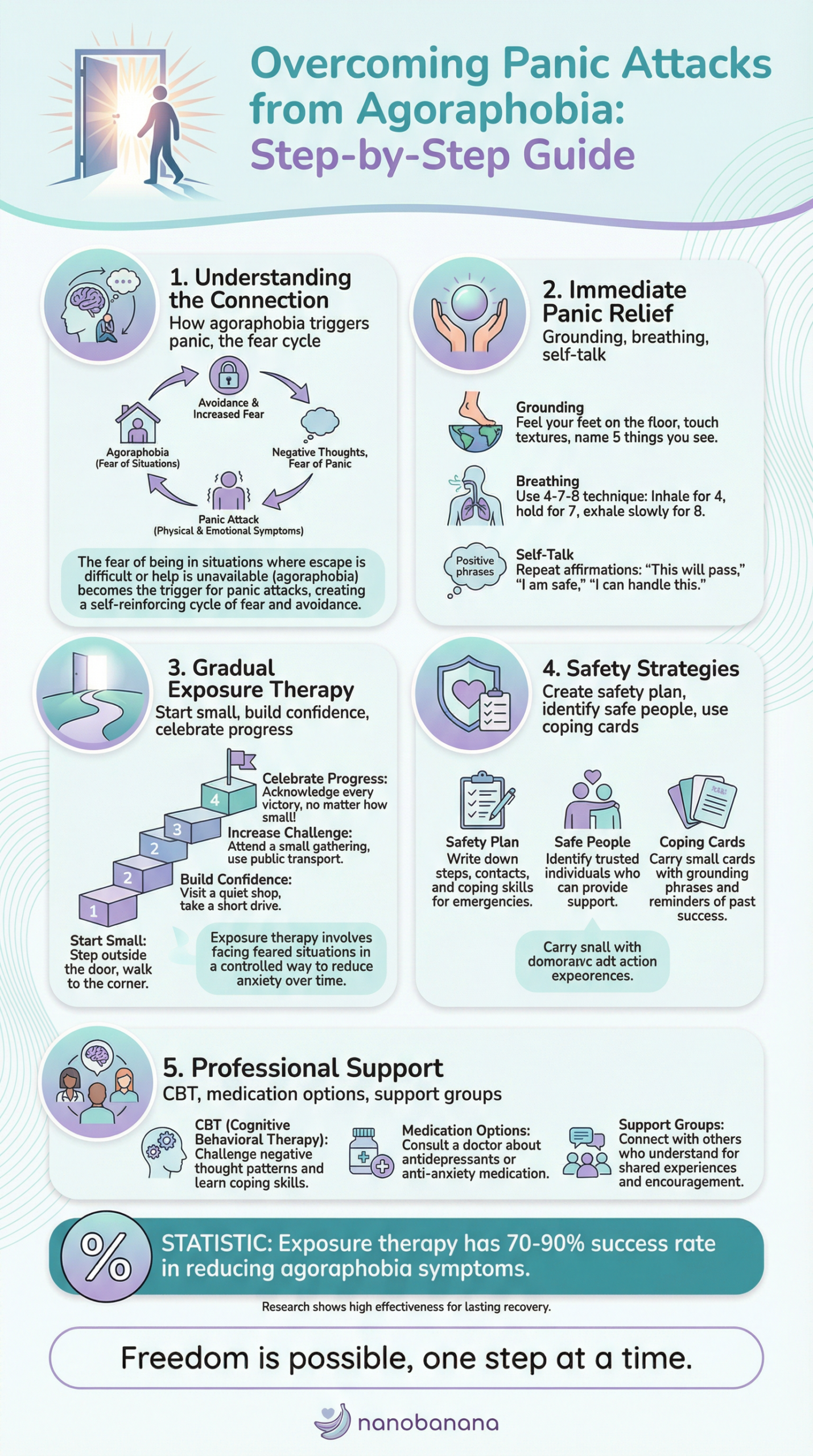
How to overcome panic attacks due to agoraphobia: understanding, coping and recovery
How to overcome panic attacks linked to agoraphobia: understand the connection, learn coping techniques, and follow practical steps towards recovery.