Caffeine and Anxiety: How Coffee Affects Your Nerves
Introduction: The Cup That Cuts Both Ways
Coffee is woven into daily life in the United Kingdom. It wakes us up, gets us through the afternoon and brings people together. But if you live with anxiety, that comforting cup may be doing more than you realise. For many anxious people, caffeine is one of the most common — and most overlooked — triggers of unwanted symptoms.
This does not mean you have to give up coffee forever. It does mean that understanding how caffeine interacts with an anxious nervous system can help you make choices that leave you calmer, steadier and better rested.
How Caffeine Affects the Body
Caffeine is a stimulant. Within minutes of drinking it, it blocks a brain chemical called adenosine, which normally makes you feel sleepy. At the same time, it prompts the release of adrenaline — the very same hormone your body produces during the fight-or-flight stress response.
The result is a set of physical changes:
- A faster heart rate
- Raised blood pressure
- Increased alertness and energy
- Sometimes jitteriness, restlessness or a “wired” feeling
For someone who is calm, this can feel like a pleasant lift. For someone prone to anxiety, the same physical sensations can be alarming.
Why Caffeine and Anxiety Are a Difficult Mix
The problem is one of mistaken identity. The bodily effects of caffeine — racing heart, tight chest, restlessness — are almost identical to the physical symptoms of anxiety. When an anxious brain notices a pounding heart after a strong coffee, it can interpret that sensation as danger, setting off a genuine wave of anxiety or even a panic attack.
This is why some people experience anxiety-related chest pain or palpitations after caffeine without realising the link. The caffeine did not invent the fear, but it provided the physical spark that the anxious mind then ran with.
Caffeine can also worsen anxiety indirectly by disrupting sleep. Even caffeine consumed in the afternoon can reduce sleep quality, and poor sleep is one of the strongest drivers of next-day anxiety — a cycle we explore in our guide to anxiety and sleep.
How Much Caffeine Is Too Much?
The NHS advises that most healthy adults can safely consume up to around 400mg of caffeine a day — roughly four cups of brewed coffee. But this is a general guideline, not a personal prescription.
If you are caffeine-sensitive or prone to anxiety, you may feel symptoms at far lower doses. It is also worth remembering that caffeine hides in many products beyond coffee:
- Tea (including green tea)
- Energy drinks, which can be especially potent
- Cola and some soft drinks
- Dark chocolate
- Some pain relief and cold remedies
Tracking your total daily intake from all sources is often more revealing than counting coffees alone.
How to Cut Back Without the Crash
If you suspect caffeine is feeding your anxiety, the good news is that change is straightforward — but it should be gradual. Stopping abruptly can cause withdrawal headaches, irritability and fatigue, which can themselves feel like anxiety.
- Reduce slowly. Cut back by one cup every few days rather than quitting overnight.
- Set a cut-off time. Avoid caffeine after early afternoon to protect your sleep.
- Swap, don’t just remove. Decaf coffee, herbal teas and water keep the comforting ritual without the stimulant.
- Watch the hidden sources. Be mindful of energy drinks and soft drinks in particular.
- Notice the difference. Keep a simple note of your anxiety and sleep as you reduce — many people are surprised by how much calmer they feel.
Cutting caffeine is one of several practical lifestyle steps that support a calmer nervous system. You can find more in our guides to natural remedies for anxiety and how to manage anxiety.
When to Seek Help
Reducing caffeine can make a real difference, but it is not a cure-all. If your anxiety persists after cutting back, or if it is interfering with your daily life, sleep or relationships, please speak to your GP. In the UK you can also self-refer to NHS Talking Therapies for evidence-based support such as cognitive behavioural therapy.
If you ever feel unable to cope, contact NHS 111, or call the Samaritans free on 116 123 at any time. A calmer relationship with caffeine is a small change that, for many anxious people, brings a surprisingly large reward.
Frequently Asked Questions
Does caffeine make anxiety worse?
Yes, for many people it can. Caffeine is a stimulant that raises heart rate, blood pressure and alertness by triggering the release of adrenaline. In someone prone to anxiety, these physical changes closely mimic the body's fight-or-flight response and can trigger or worsen anxious feelings, including racing heart and panic. Sensitivity varies, so some people are affected far more than others.
How much caffeine is too much for anxiety?
The NHS suggests most healthy adults can safely have up to about 400mg of caffeine a day, roughly four cups of coffee. However, if you are prone to anxiety you may notice symptoms at much lower amounts. There is no single safe number for everyone — the key is to watch how your own body responds and reduce intake if you feel jittery, anxious or unable to sleep.
Will cutting out caffeine reduce my anxiety?
For caffeine-sensitive people, reducing or stopping caffeine often noticeably lowers baseline anxiety, improves sleep and reduces palpitations. Cut down gradually rather than stopping suddenly to avoid withdrawal headaches and fatigue. If anxiety persists after cutting caffeine, speak to your GP or self-refer to NHS Talking Therapies, as other factors may be involved.
Related Articles
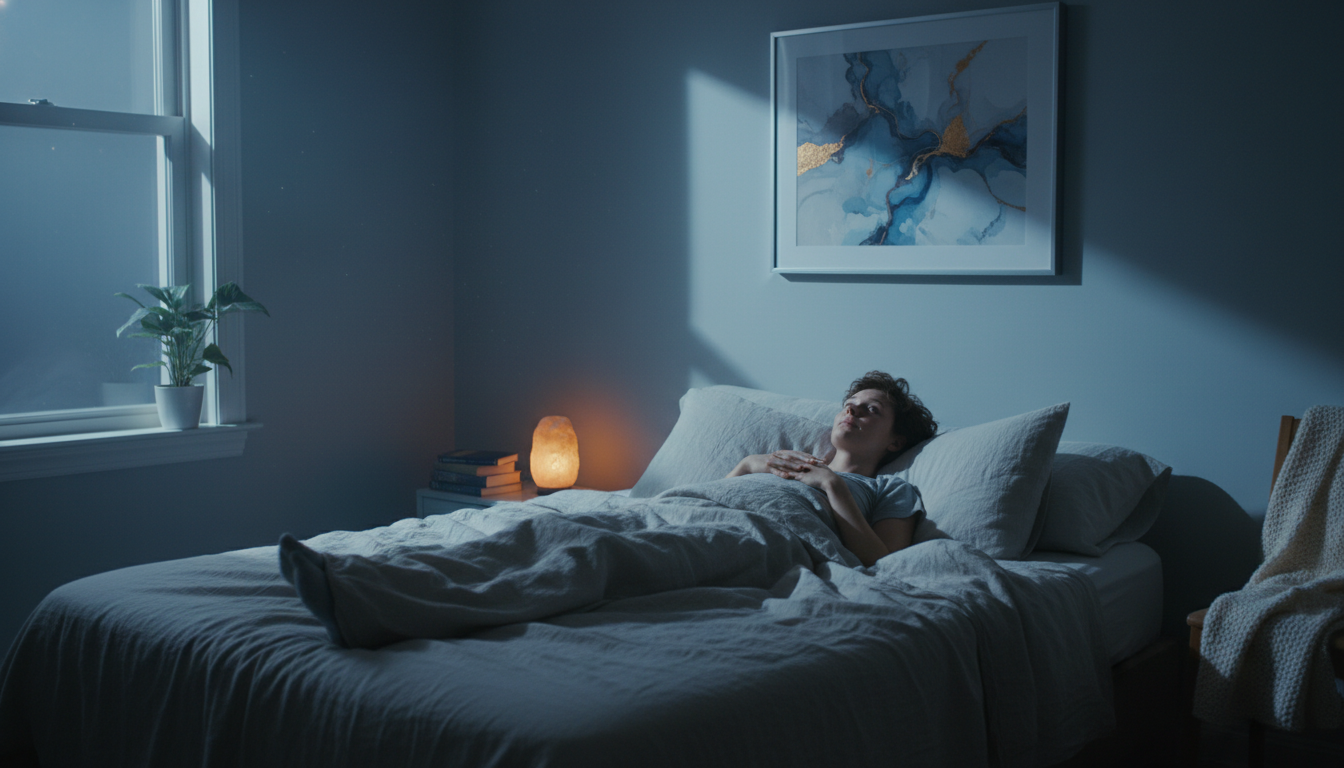
Sleep Anxiety: Causes, Symptoms and How to Break the Cycle
Sleep anxiety keeps millions awake at night. Learn what causes it, how to recognise the symptoms, and evidence-based techniques to finally get restful sleep.
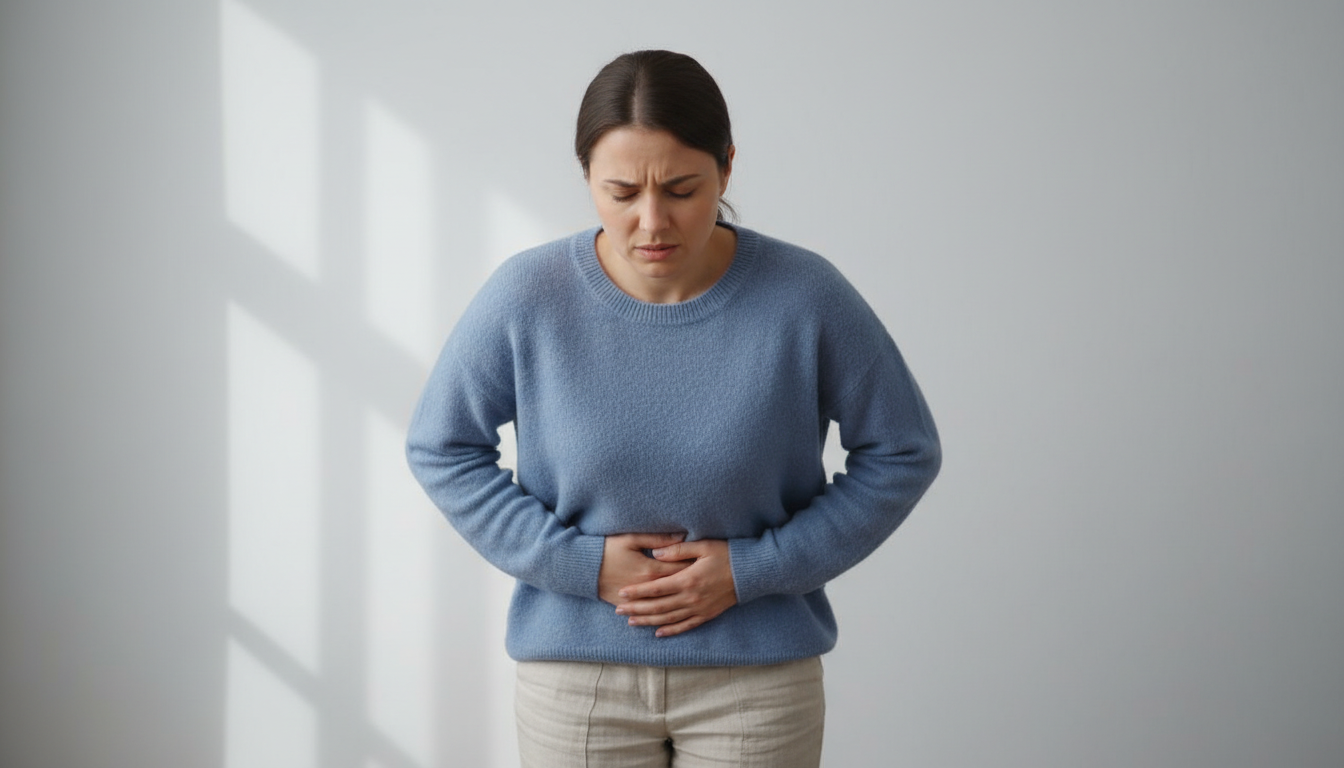
Anxiety Chest Pain: What It Feels Like, Causes and When to Seek Help
Anxiety chest pain can feel frightening. Learn what causes it, how to tell it apart from a heart attack, and what to do — including when to call 999.
How to Manage Anxiety: A Complete Guide to Daily Management
A complete guide to managing anxiety day to day. Build lasting habits and strategies that genuinely reduce anxiety over time.