Anxiety Symptoms in Women: Signs, Causes and Support
Introduction: Why Anxiety Looks Different in Women
Anxiety is one of the most common mental health experiences in the United Kingdom, and it does not affect everyone equally. Research published by the NHS and mental health charities consistently shows that women are around twice as likely as men to be diagnosed with an anxiety disorder. The symptoms themselves are not exclusive to women, but the way anxiety shows up, and the factors that drive it, often have a distinctly female pattern.
Understanding these differences matters. When anxiety is recognised and named accurately, it becomes far easier to manage. This guide looks at the common symptoms of anxiety in women, the role hormones play, and the evidence-based support available. For a general overview that applies to everyone, you may also find our guide to anxiety symptoms helpful.
Common Symptoms of Anxiety in Women
Anxiety affects the mind, the body and behaviour. Women frequently report a combination of the following.
Emotional and Mental Symptoms
- Persistent worry that is hard to switch off
- A sense of dread or that something bad is about to happen
- Irritability or feeling on edge
- Difficulty concentrating or a “foggy” mind
- Restlessness and an inability to relax
Physical Symptoms
- A racing or pounding heart
- Tight chest or shortness of breath
- Muscle tension, headaches and jaw clenching
- Nausea, stomach upset or “butterflies”
- Hot flushes and sweating
- Fatigue and disturbed sleep
These bodily sensations are real and can be frightening. Our guides to the physical symptoms of anxiety and to hot flushes and anxiety explain why the body reacts this way and what brings relief.
How Anxiety Can Show Up in Daily Life
Women living with anxiety often describe overthinking conversations, avoiding certain situations, seeking frequent reassurance, or pushing themselves to do more to quiet the worry. If you recognise yourself here, our piece on what anxiety feels like puts words to the everyday experience.
The Role of Hormones
One of the clearest differences in women’s anxiety is the influence of hormonal change. Fluctuations in oestrogen and progesterone can affect the brain chemicals that regulate mood, making anxiety more likely or more intense at certain times.
- The menstrual cycle. Many women notice anxiety rising in the days before their period, as part of premenstrual symptoms.
- Pregnancy and the postnatal period. Anxiety is common during and after pregnancy. If panic is a feature, our guide to coping with panic attacks while pregnant offers safe, practical support.
- Perimenopause and menopause. Falling oestrogen levels are strongly linked to new or worsening anxiety, often alongside hot flushes and sleep problems.
Hormones do not cause anxiety by themselves, but they shape its timing and intensity. If your anxiety follows a clear cyclical or life-stage pattern, that is useful information to share with your GP.
Why Anxiety Is More Common in Women
The higher rate of anxiety in women is thought to come from a combination of factors:
- Biological differences in hormones and brain chemistry
- Social and economic pressures, including higher rates of unpaid caregiving and the “mental load” of running a household
- Greater likelihood of reporting symptoms, which means some of the gap reflects women being more willing to seek help
Importantly, none of this means women’s anxiety is “in their heads” or a weakness. It is a genuine, well-documented health difference that deserves to be taken seriously.
Evidence-Based Ways to Find Support
The good news is that anxiety responds well to treatment. Helpful, NHS-aligned approaches include:
- Talking therapies. Cognitive behavioural therapy (CBT) is highly effective for anxiety. In the UK you can self-refer to NHS Talking Therapies.
- Lifestyle foundations. Regular movement, steady sleep, limiting caffeine and alcohol, and slowing the breath all calm an overactive nervous system. Our guide to how to manage anxiety brings these together.
- Medication. For some women, medication prescribed by a GP can be an appropriate part of treatment, sometimes alongside hormonal considerations.
- Cycle-aware self-care. Tracking symptoms against your menstrual cycle or menopausal stage can help you anticipate harder weeks and plan extra support.
When to Seek Help
Please speak to your GP if anxiety is persistent, distressing, or interfering with your daily life, sleep or relationships — and especially if it is clearly linked to your menstrual cycle, pregnancy or menopause. You can self-refer to NHS Talking Therapies without a GP referral.
If you ever feel unable to cope, contact NHS 111, or call the Samaritans free on 116 123 at any time, day or night. Anxiety is common, it is not your fault, and effective help is available.
Frequently Asked Questions
Why is anxiety more common in women?
Research consistently shows women are around twice as likely as men to experience anxiety disorders. The reasons are complex and include hormonal fluctuations across the menstrual cycle, pregnancy and menopause, differences in brain chemistry, and social factors such as higher rates of caregiving stress and a greater likelihood of reporting symptoms. It is a genuine difference, not a sign of weakness.
Can hormones cause anxiety in women?
Hormones do not cause anxiety on their own, but fluctuations in oestrogen and progesterone can make anxiety symptoms more likely or more intense. Many women notice anxiety worsening before their period, during pregnancy or after birth, and around the perimenopause and menopause. If anxiety follows a clear hormonal pattern, it is worth discussing with your GP.
When should a woman see a doctor about anxiety?
See your GP if anxiety is persistent, interferes with daily life, sleep or relationships, or is linked to your menstrual cycle, pregnancy or menopause. In the UK you can also self-refer to NHS Talking Therapies. Seek urgent help via NHS 111, or call the Samaritans free on 116 123, if you ever feel unable to cope.
Related Articles
Anxiety Symptoms: Signs, Causes and When to Seek Help
Recognise the signs of anxiety - physical, emotional and behavioural. Learn what causes anxiety and when to seek professional help.
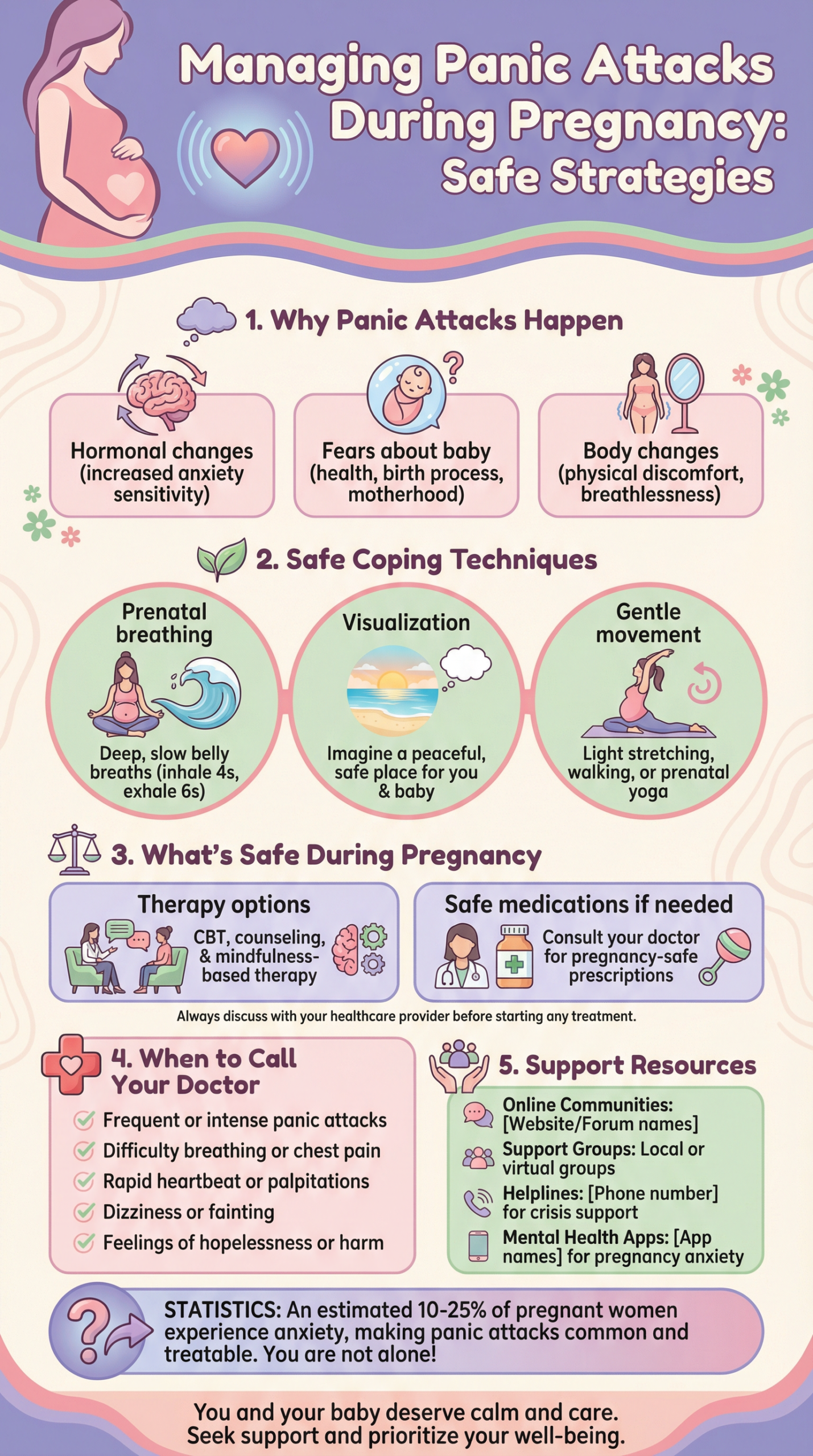
Managing Panic Attack While Pregnant: Essential StrategiesEssential Strategies for Managing Panic Attacks During Pregnancy
Essential, safe tips for coping with panic attacks during pregnancy — calming techniques, triggers to watch for, and when to speak to your midwife or GP.
Hot Flashes and Anxiety: The Mind-Body Connection
Hot flashes are not just a menopause symptom. Explore the link between anxiety and hot flashes and how to manage both effectively.